
Fence Power Cleaning Boca Raton
Structural Contaminant Removal and Surface Reset
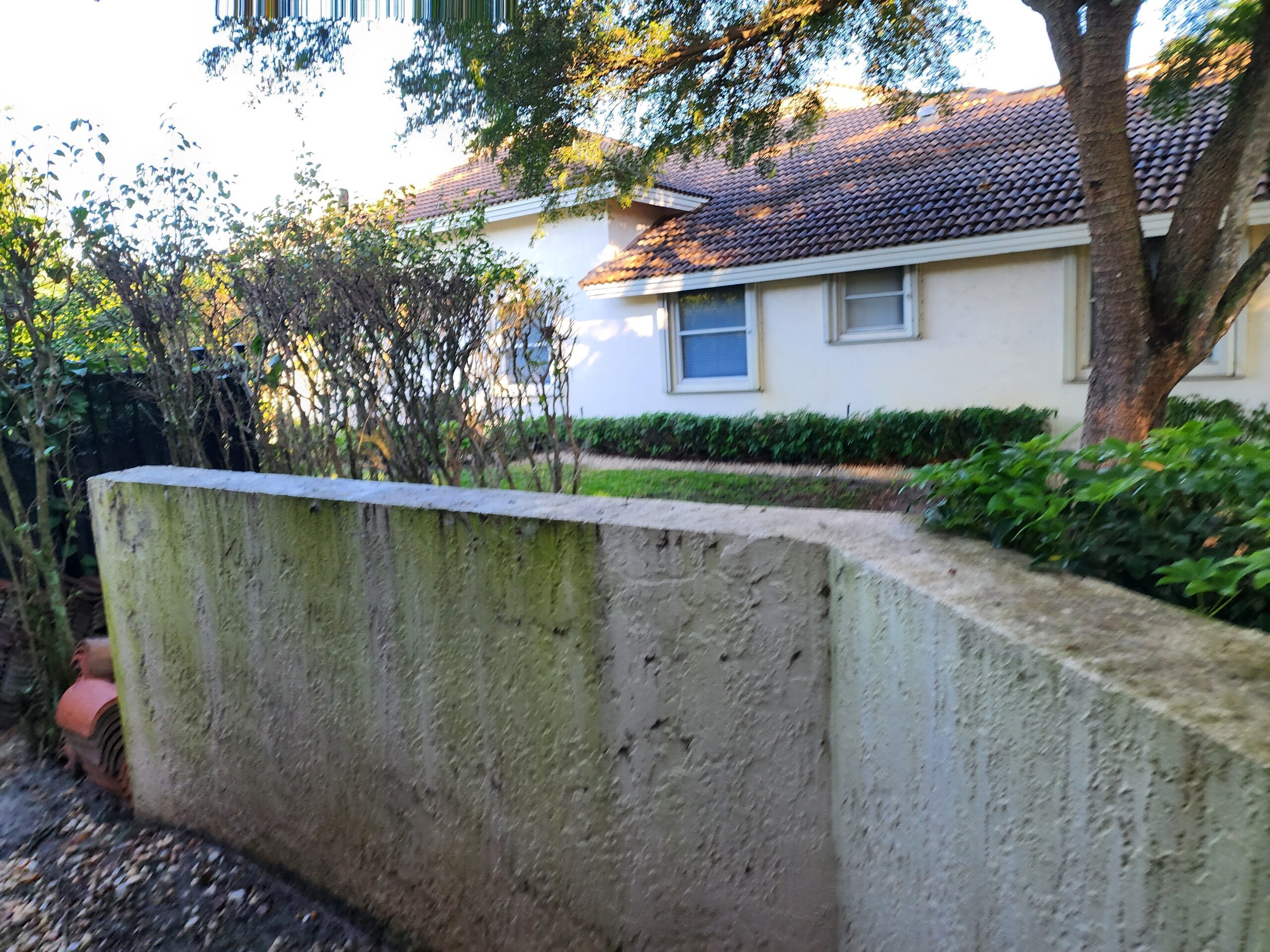
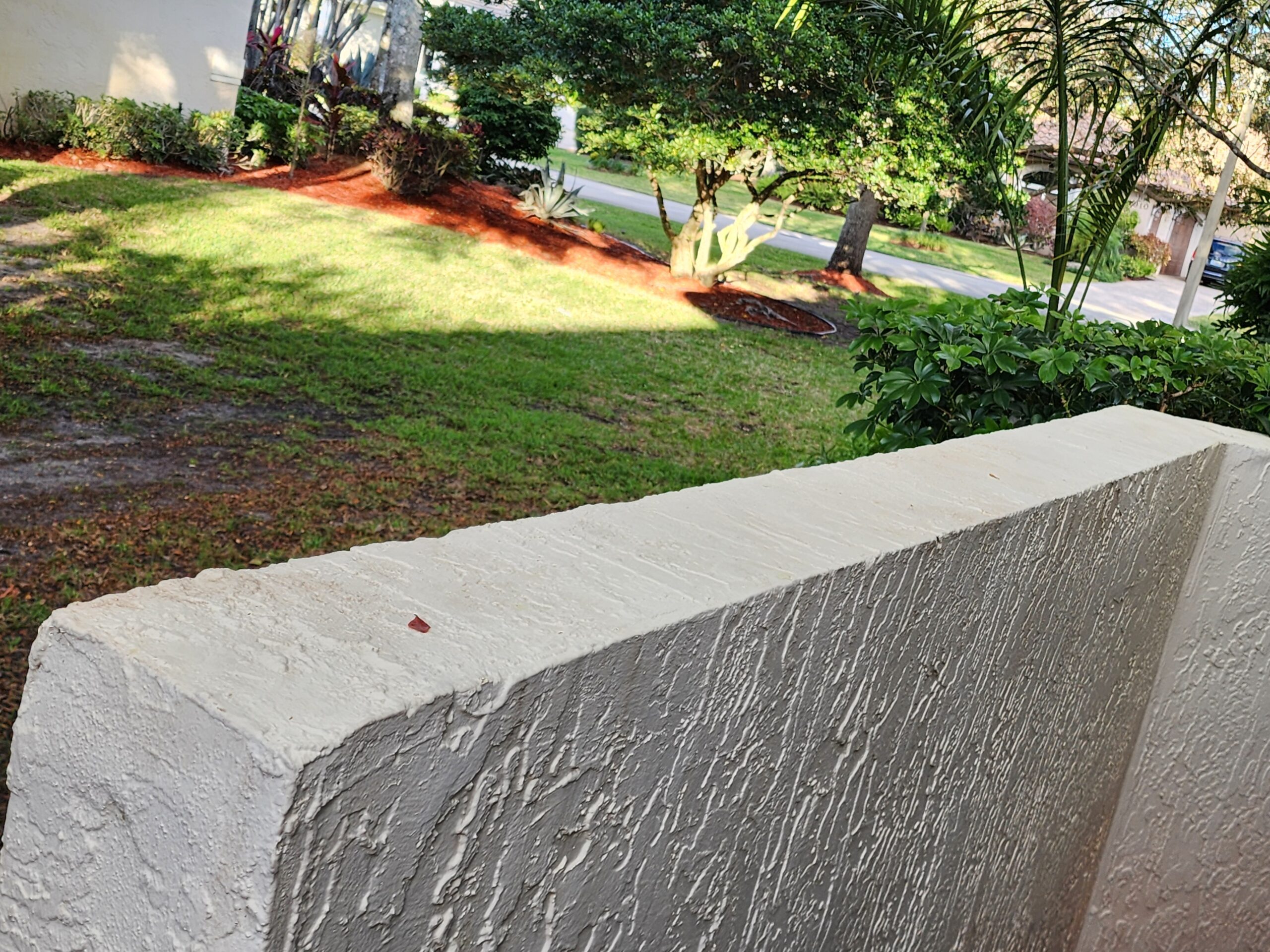
Fence power cleaning Boca Raton properties requires a controlled exterior restoration method focused on removing bonded contaminants that compromise surface strength and material density. Fencing systems in South Florida endure continuous exposure to irrigation spray, soil contact, airborne debris, and persistent humidity.
As organic growth develops along fence panels, it embeds into porous materials such as wood and textured vinyl. Mineral deposits from evaporated water settle into surface irregularities and harden under heat. Aluminum fencing oxidizes when salt particles interact with its protective coatings.
Power cleaning uses calibrated pressure and controlled water flow to remove contaminants without damaging the substrate. Similar residue bonding behavior is observed in services such as patio cleaning Parkland Broward Palm Beach, where mineral adhesion and moisture retention influence long-term material stability.
Restoring a clean surface resets moisture behavior and supports structural longevity.
Environmental Exposure Patterns in Boca Raton
Boca Raton’s subtropical environment accelerates surface contamination cycles. High humidity prolongs drying time after rainfall, allowing microorganisms to mature quickly. Irrigation systems repeatedly coat fence bases with mineral-rich water, intensifying crystallization at lower panels.
Salt carried inland by coastal air increases the risk of corrosion for metal components. Heat exposure further strengthens mineral bonding as evaporated water leaves concentrated deposits behind.
Comparable coastal stress conditions are present in nearby communities, such as those requiring pressure cleaning Pompano Beach, where salt and moisture cycles create similar structural strain.
Fence power cleaning interrupts these environmental effects before surface degradation advances.
Fiber Stability and Coating Preservation
Wood fencing absorbs moisture into its cellular structure. When contaminants remain embedded, fiber expansion becomes irregular, increasing the potential for cracking and splintering. Removing buildup reduces moisture retention and stabilizes fiber behavior.
Vinyl fencing develops oxidation and chalking when UV radiation interacts with surface residue. Mineral deposits intensify discoloration and surface brittleness. Power cleaning removes oxidation layers without compromising panel thickness.
Metal fencing benefits from contaminant removal before corrosion spreads beneath protective finishes. Maintaining clean surfaces protects coating adhesion and reduces expansion stress.
Drainage Efficiency and Base Protection
Fence installations often run parallel to landscaping and turf. Soil retains water along fence bases after rainfall, especially in shaded areas. Organic debris accumulates where airflow is limited, increasing moisture exposure.
As mineral deposits and biofilm thicken, runoff slows, and water remains trapped against the panels. Extended exposure to moisture accelerates lower-panel fatigue and joint stress.
Power cleaning removes accumulated residue and restores balanced drainage, supporting the long-term performance of fence systems.
Asset Preservation in High-Value Communities
In premium neighborhoods such as those serviced under pressure power cleaning Ibis Golf Country Club, fence systems contribute to overall architectural cohesion and property value.
Exterior boundaries must maintain structural alignment and material integrity to match surrounding estate standards. Proactive fence power cleaning preserves uniformity and prevents premature aging.
Consistent maintenance protects the structural framework of fencing systems while maintaining environmental resilience.
Expansion Behavior and Structural Alignment
Daily temperature fluctuations in Boca Raton cause expansion and contraction in fence materials. When mineral deposits adhere to the surface, expansion rates differ between contaminant layers and the underlying material.
This imbalance introduces surface tension and increases stress at connection points. Over time, brackets and fasteners may experience loosening due to uneven movement.
Removing bonded residue allows materials to expand uniformly, reducing stress concentration and preserving fence alignment.
Recommended Cleaning Intervals
For most Boca Raton properties, annual fence power cleaning maintains stable surface performance. Homes exposed to heavy irrigation or coastal air may benefit from semi-annual service.
Cleaning should precede painting, staining, or sealing applications to ensure proper bonding. It is also beneficial before property inspections or sales listings to demonstrate consistent structural care.
Surface Porosity and Contaminant Penetration Control
Fence materials vary in porosity, but nearly all exterior systems develop microscopic openings over time due to weather exposure. These small surface variations allow moisture and contaminants to penetrate beyond the visible layer.
When mineral deposits and organic residue enter these pores, they create internal expansion pressure during heat cycles. This pressure gradually weakens surface cohesion, contributing to cracking, discoloration, or fiber separation in wood.
Fence power cleaning reduces contaminant penetration before internal stress increases. Maintaining a clean surface reduces pore saturation and helps maintain long-term structural consistency.
Perimeter Airflow and Moisture Retention Dynamics
Fence lines often restrict airflow along property boundaries, particularly when dense landscaping is present. Limited air circulation slows evaporation after rainfall or irrigation, thereby extending the time for moisture to contact.
Extended dampness promotes biofilm formation and accelerates oxidation in metal components. Over time, repeated moisture cycles cause wood to soften and vinyl to become brittle.
Power cleaning improves surface condition and reduces residue that traps humidity, allowing materials to dry more evenly between exposure cycles.
Long-Term Structural Cost Avoidance
Fence replacement and major repair projects represent significant property expenses. Deterioration rarely occurs suddenly; it progresses gradually as contaminants accumulate and material strength declines.
Routine fence power cleaning in Boca Raton addresses surface degradation at an early stage. By removing stress-inducing residue and moisture-retaining buildup, property owners reduce the likelihood of panel replacement, fastener failure, and coating breakdown.
Preventive maintenance supports structural reliability and preserves long-term investment value.
Proper scheduling supports long-term durability and reduces the likelihood of advanced deterioration.
Frequently Asked Questions
**How often should fences be power cleaned in Boca Raton?**
Most properties require service once per year, with higher exposure locations benefiting from more frequent cleaning.
**Is power cleaning safe for wood fencing?**
Yes, when properly calibrated to avoid fiber disruption.
**Can power cleaning remove oxidation from metal fencing?**
It removes surface oxidation and residue before corrosion penetrates protective coatings.
**Does this service help extend fence lifespan?**
Yes. Removing moisture-retaining contaminants reduces material fatigue.
**Why does buildup form so quickly?**
Humidity, irrigation spray, and coastal salt accelerate residue accumulation.
**Should fences be cleaned before staining?**
Absolutely. Clean surfaces ensure coating adhesion and longevity.
**Will power cleaning damage vinyl panels?**
Professional methods preserve surface density while removing chalking and discoloration.
**Is this only for appearance?**
No. It supports structural integrity and environmental resistance.
Fence power cleaning in Boca Raton properties relies on restoring material balance, reducing environmental stress, and preserving the long-term performance of exterior boundary systems under South Florida conditions.